5 Signs It's Time for Foundations Repair Service Near Me
When a home begins murmuring that something is off, the message often comes from the foundation. Hairline splits, sticky doors, or a wet crawl area could appear minor, yet they can signify motion you need to attend to. After twenty years of walking homes with stressed proprietors, I have actually discovered that the difference between a little repair and a significant overhaul usually comes down to how rapidly you attach the dots and call a qualified professional for foundation repairs.
Homeowners keywords like foundation repair near me or foundations fixing near me when the initial signs appear. The very best time to make that phone call is not when you feel panic, but when you see a pattern. The five indicators below do not cover every scenario, yet they stand for one of the most usual early warnings that are entitled to a closer look.
The fast checklist: five signs you need to not ignore
- Stair-step splitting in brick or block, or horizontal cracks broader than a credit card's thickness
- Doors or home windows that bind, stick, or have expanding spaces at the framework corners
- Floors that droop or incline greater than 1 inch over 10 feet, or recognizable bounce in the framing
- Separation of wall surfaces from ceilings or walls, and new voids where counters meet walls
- Persistent dampness in the basement or crawl room, especially after rainfall, with musty odors or noticeable mold
Each of these on its own can be innocent, yet 2 or even more together usually show settlement, heave, or lateral pressure. The best judgment comes from matching what you see with how your home sits on the soil under it.
Why these signals matter
A foundation problem rarely shows up overnight. Soil dries out, shrinks, swells, and shifts with seasons. Water collects along a foundation wall surface for several years prior to that initial leakage. Wood mounting over a damp crawl space softens long prior to you notice a spongy feel underfoot. Early fixes tend to be budget friendly and minimally invasive. Delay allows little changes substance, which raises prices and increases the scope.
In a clay-heavy community outside Dallas, I assessed 2 residences on the exact same block in the same year. Both showed stair-step fractures and sticky doors after a drought, after that hefty rain. One owner called right now, set up 3 interior piers, and readjusted drainage for under 6,000 dollars. The other waited 2 even more seasons. Already, the fixing required eleven piers, outside excavation, and interior slab injections, plus drywall and ceramic tile replacement total expense above 28,000 bucks. Exact same dirt, same weather, various timing.
What the cracks are attempting to inform you
Cracks hold clues. Vertical structure fractures that remain narrow and fairly uniform often mirror shrinkage or minor negotiation. Stair-step cracks that broaden toward one end generally mark differential negotiation the structure has actually sunk more in one area than another. Horizontal splits in a cellar wall surface, especially at mid-height, point to side dirt pressure and are much more concerning because they can precede bowing.
Measure and screen. A simple feeler scale or perhaps a stack of paper shims can assist you assess width. If a crack grows beyond about 1/8 inch or expands throughout multiple programs in brick or block, that is a strong sign to look for structure repairs near me and schedule a specialist browse through. Photos and dates matter to track adjustment gradually, not just size on one day.
Doors and windows as early sensors
Carpenters know that frames reveal changes prior to your eyes capture them in the wall surface. A door that scrubs on top on the lock side, combined with a void at the contrary corner, shows racking. If you have to raise a door by the take care of to close it, the hinge side might have sunk about the lock side. Do not rely on a solitary sticky door, because moisture swells wood. Rather, search for a pattern throughout various areas or floorings. When several doors or windows are mischievous, specifically in a line along one side of the house, assume structure activity, not just complete carpentry.
A useful pointer I show clients is to use a tiny torpedo degree throughout the head of a door frame and contrast analyses in various rooms. You are not trying for laboratory precision, simply consistency. When all structures tilt the same way, you likely have a more comprehensive structural change to investigate.
Floors that incline or bounce
Not all uneven floorings point to a foundation problem. In older homes, joists can crown or droop from age and load. But when an incline ranges from the center of your home toward an outside wall, or when a slab dips near interior columns, you need to pay attention. A consistent drop of 1 inch over 10 feet is a limit that calls for examination. Make use of a 10 foot straightedge or a tight string line and a tape measure. Bounce is a different signal. It recommends undersized or endangered framing, often linked to moisture in crawl rooms or termite damages in sill plates.
One bungalow I evaluated had a living-room slope you might feel, however not see. A laser level revealed a 1.5 inch change between edges. The culprit was a downspout that had released at the structure for many years, softening the dirt under an edge pier. 3 helical piers and an easy dash block repair maintained the edge and brought the flooring within a half inch of level.
Gaps and splittings up in finishes
Drywall cracks above entrances, baseboards retreating, and caulking that continuously divides at countertops are not just cosmetic aggravations. When they occur in clusters along one wall or one space, they typically map the line of racking where the structure has turned or cleared up. Take notice of sequence. If you patch and repaint, then see the very same fracture resume within a period, that normally means the underlying movement has not been resolved.
I favor making use of painter's tape with a day near persisting splits as a simple tracking device. If six months pass without modification, you may be seeing normal seasonal activity. If the tape needs to move due to the fact that the split has outrun it, call an expert for foundation repair work near me and ask for an architectural evaluation, not just cosmetic patching.
Moisture as a structural force
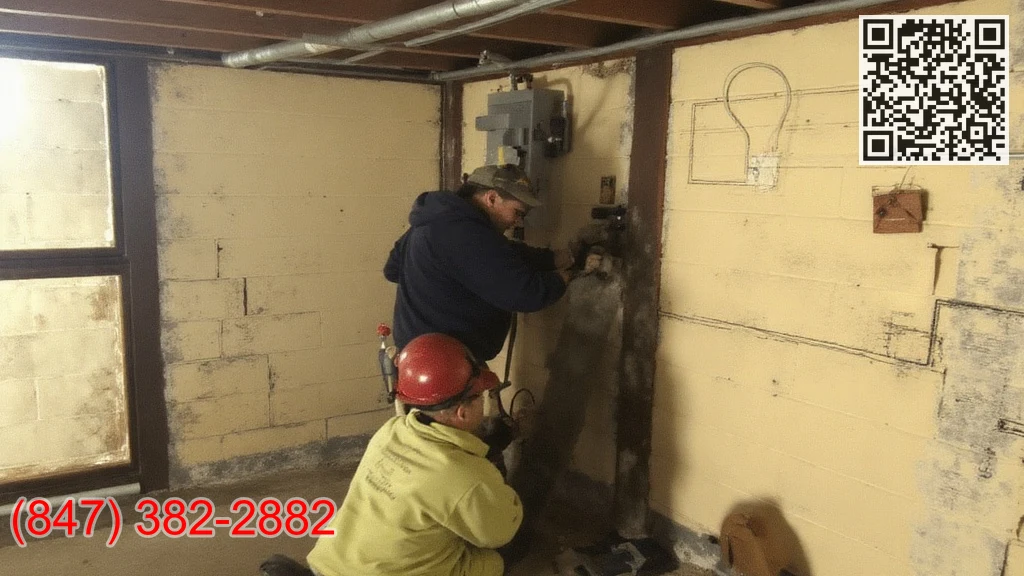
Water is the silent heavyweight in structure troubles. Persistent moisture in a cellar or crawl room boosts hydrostatic stress on wall surfaces, softens birthing dirts, and feeds mold that can harm framework. If your sump pump runs frequently after normal rain, or the crawl space reveals standing water or efflorescence on block walls, you are seeing the link between dampness and movement.
Basement waterproofing and crawl room encapsulation are not just comfort upgrades, they are architectural danger reducers. Properly specified inside or outside water drainage, paired with a well-placed sump system, soothes pressure on wall surfaces. To envelop crawl area areas appropriately, you require a continuous vapor obstacle sealed at seams, mechanical attachment to walls, careful detailing at piers, and conditioned air or a dehumidifier sized to the volume. I typically see do it yourself attempts to envelop crawlspace locations with slim plastic and tape that falls short within a year. A professional installation utilizes 10 to 20 mil liners, mechanically fastened and secured, with cautious integration at the edge joist to stop side wicking. The objective of an enveloped crawl room is not simply dryness on a good day, however durability during a week of rain.
You may see weird searches like encapsulated crawl.space or envelop crawl room in discussion forums. The punctuation does not matter as high as the principle. Control water at the boundary, control vapor at the floor and wall surfaces, get rid of wetness from the air, and safeguard timber from cyclical wetting. If that system is missing out on or failing, structure concerns rarely sit much behind.
Soil, periods, and why place matters
The exact same split indicates different things in Denver than in New Orleans. Clay soils swell when damp and diminish when completely dry. Sandy dirts drain well but can wash out near downspouts and poorly sloped outdoor patios. Silts hold water and transmit pressure against wall surfaces. Freeze-thaw cycles, tree origins, and fill dust under enhancements all complicate the picture.
In high-plasticity clay areas, you might see seasonal negotiation and rebound. Floors dip in a drought, increase somewhat after continual rain, then dip again the following summer season. Excellent water drainage and constant dampness administration at the foundation perimeter reduce those swings. In older areas with combined enhancements, the more recent slab or room can settle differently from the original impact. I commonly flag a seam in the floor plan where two ages of building and construction satisfy as a most likely anxiety point.
What an expert assessment need to include
If the checklist at the top fits your residence, take into consideration an expert evaluation. Seek a business that does more than market a single product. An extensive analysis consists of altitude analyses throughout the footprint, an aesthetic evaluation of framework and sustains, images or notes on splits with measured widths, and a dampness survey of the cellar or crawl space.
Ask the specialist to stroll the home line for drainage hints. I bring a 4 foot degree and inspect patio and walkway inclines, downspout expansions, and soil grading along the foundation. A noteworthy percent of structure concerns come back to water monitoring. Fixing water drainage first often eliminates or shrinks the need for architectural work. A good company will certainly admit that and place it in writing.
Common repair service methods, with trade-offs
Piers and underpinning systems transfer the weight of the structure to more secure soil or bedrock. Push piers are hydraulically driven steel tubes that rely on the framework's weight to reach refusal. Helical piers are steel shafts with helical plates that screw into the dirt at engineered midsts and torque worths, independent of the framework's weight. Concrete piers can operate in some soils yet typically require bigger excavations and healing time.
Foam injections or pressure grouting, used for slabs, can lift settled areas and fill spaces. The danger is over-lift if not controlled, or brand-new paths for water if injected without repairing fractures and joints. Wall surface supports and carbon fiber bands deal with lateral movement in cellar wall surfaces. Anchors withstand bowing by connecting the wall surface back to secure soil, while carbon fiber restricts further movement in minor to moderate cases. Each technique has limitations tied to dirt type, gain access to, and the level of movement.
In wood-framed crawl rooms, sistering joists, adding beam of lights, or setting up adjustable posts can fix sag, however only after wetness is regulated by proper encapsulation and water drainage. If you right structure without addressing water, the solution will not hold.
Costs and timelines you can expect
Prices vary by market, accessibility, and the range of motion. For a single edge of negotiation requiring two to 4 piers, I generally see totals between 3,500 and 9,000 dollars. Larger homes with multiple altitudes and indoor piers can range from 12,000 to 35,000 bucks or more. Foam slab training for a tiny area could be 800 to 2,500 dollars. Cellar waterproofing can vary extensively, from a couple of thousand for interior water drainage and a sump, to five figures for outside excavation and wall membranes. Crawl room encapsulation with a quality liner, secured joints, dehumidification, and minor framing repairs usually falls between 6,000 and 15,000 dollars, relying on size and access.
Timelines likewise vary. A 2 to four pier job might end up in a couple of days. Ten or even more piers can take three to 5 days. Waterproofing plus encapsulation commonly needs 2 to 4 days with a 2 person staff. Licenses, engineering letters, and community evaluations can include a week or two depending upon your jurisdiction.
When is it aesthetic, and when is it structural
Not every fracture is cause for alarm. Hairline drywall fractures at the corners of home window openings that do not change throughout periods are usually benign. A single sticky door in a humid summer season might require an aircraft and paint, not piers. I encourage home owners to create an easy timeline. Keep in mind when signs show up, what the weather condition resembled, and whether anything transformed in the home. Added a heavy stone countertop straight over a span of floor that did not initially carry that tons. Replaced windows and tightened up frameworks. Extended a patio that could now slope towards the structure. Those details assist distinguish between coating motion and foundation movement.
If you see straight fracturing in a cellar wall, substantial variation where split faces do not align, spaces that you can fit a pencil into at trim joints, or numerous symptoms on one side of your home, err on the side of a structural assessment. The prices of a needless phone call are tiny compared to the effects of missing out on a dynamic problem.
Drainage first, then structure, then finishes
Repairs stick when water control comes first. I have actually lost matter of homes where a straightforward collection of actions made a significant distinction. Redirect downspouts with 10 foot expansions, regrade dirt to slope 1 inch per foot away for a minimum of 6 feet, and examine that outdoor patios and walks do not funnel water back to the foundation. For basements, a trustworthy sump pump with battery backup is cheap insurance. For crawl rooms, a continuous liner and secured vents coupled with a correctly sized dehumidifier stop the dampness cycle that deteriorates framing.

Once water is dealt with, architectural work has a secure standard. Just then do you invest in drywall fixings, tile resets, or cabinet modifications. Doing it in reverse invites rework.
How to choose the right local partner
The phrase structure fixings near me raises a long listing, and not all service providers are equivalent. You desire know-how, not just a product catalog. Concentrate on professionals who can clarify the problem in plain terms, supply choices with pros and cons, and put surveillance on the table when appropriate. Demand composed scopes, torque or stress analyses for helical or push piers when utilized, and clear service warranties that define what is covered, that pays for modifications, and what upkeep is needed. For approaches that include cellar waterproofing or strategies to encapsulate crawl area areas, request for images of recent tasks and demand at the very least 2 recommendations you can call.
Here is a brief filter I give to house owners that ask how to veterinarian providers swiftly:
- Look for a complete evaluation that includes altitudes, dampness readings, and drainage notes, not simply a sales quote
- Ask whether water drainage or grading fixes could minimize the extent before architectural job, and get that in writing
- Confirm that the company lugs basic liability and workers' settlement, and that permits will be pulled when required
- Request design assistance or a third party letter for significant structural changes
- Compare service warranties carefully, including transferability if you sell the home
These actions narrow the area to specialists who support their work and treat your home as a system.
Real instances that highlight the signs
A 2 story colonial with a completed basement had horizontal splits and small inward bowing along a rear wall surface. The lawn sloped toward that wall, and downspouts cleared near the foundation. Interior water drainage, a sump with a sealed cover, outside grading repairs, and three wall surface anchors stabilized the wall. They checked for a year, then finished the cellar again, positive the motion had stopped.
A cattle ranch with an aired vent crawl area really felt bouncy in the hallway. The property owner had attempted to encapsulate crawlspace locations with slim poly that bunched and tore around piers. We eliminated the torn lining, installed a 15 mil reinforced lining and secured seams up the wall surface, included a container and pump due to the fact that groundwater increased https://jaidenpuiv890.raidersfanteamshop.com/3-things-you-should-know-before-calling-for-foundation-repairs-a-homeowner-s-guide-1 in storms, and set a 70 pint dehumidifier with a dedicated drainpipe. After the area dried out to under 60 percent loved one humidity, we sistered a couple of joists and included a mid-span light beam with two adjustable posts. The bounce disappeared, and the seasonal smell selected it.
A block home on large clay revealed stair-step cracking at the front right corner and doors that stuck in the surrounding spaces. Wetness readings were typical, and the grading sufficed. The elevation survey showed a 1.25 inch decline over 24 feet towards that corner. We set up 4 helical piers to reach stable soils and delicately raised, closing the largest cracks to hairlines. Aesthetic stonework repointing and small drywall patching completed the job.
When searching for assistance near you
Typing foundation repair near me or foundations fixing near me is only the begin. Take notice of how business respond. If a supplier presses prompt underpinning without talking about water or drainage, that is a warning. If they can not discuss why they suggest helical piers rather than press piers for your dirt, ask for somebody who can, or keep calling. Trustworthy professionals welcome thoughtful questions. They know that the most effective results happen when the homeowner comprehends the reason and the cure.
For homes with persistent dampness, deal with basement waterproofing and crawl room encapsulation as companions to structural work, not second thoughts. A completely dry foundation is a stable foundation. That could mean longer downspout extensions, new swales, or re-angled outdoor patio slabs. It might indicate a full encapsulated crawl area with taped and sealed seams and a dehumidifier that can maintain in July. When you fix the setting, the structure remains put.
The bottom line for homeowners
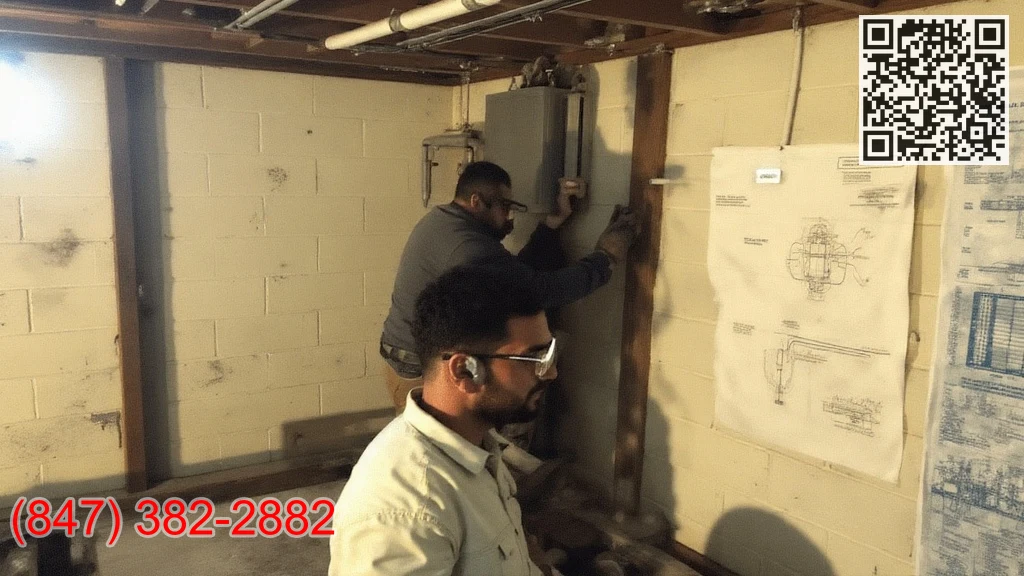
You do not need to be a building contractor to catch the early indicators. Expect persisting patterns, not single-day peculiarities. Document what you see, just how it transforms, and what the weather condition does. If 2 or more of the five indicators show up with each other, generate a professional for an evaluation. If moisture becomes part of the picture, plan for water drainage enhancements and either basement waterproofing or a correct encapsulated crawl space before you invest in surfaces. With timely focus and a strong plan, many foundation issues can be stabilized promptly and affordably. Your home will feel best once more, doors will certainly swing easily, and the silent creaks will go back to the regular sounds of a home at rest.
 Ask ChatGPT
 Ask Grok
 Ask Perplexity
 Ask Claude
 Ask Google AI
 Ask You